Cabinet Refacing vs. Replacing: The Real Math
Refacing costs up to 78% less. That saving is only real if your boxes are worth keeping. Here's the four-point test, and the case where refacing is money thrown away.
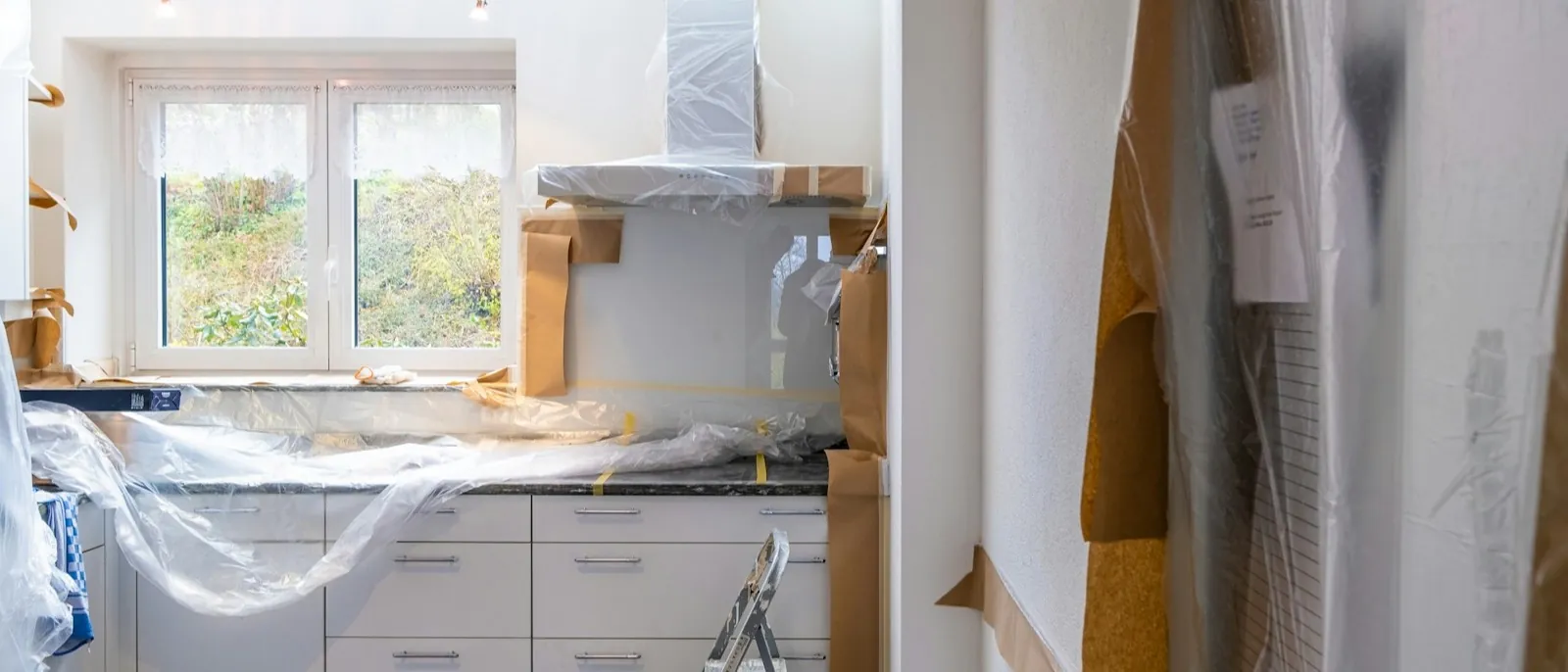
Refacing a kitchen costs $4,000 to $9,500. Replacing it costs $6,000 to $60,000. On average, refacing comes in as much as 78 percent cheaper.
Those numbers sell a lot of refacing jobs that should never have been sold. Your saving is real only when the boxes underneath are worth keeping, and that depends on your kitchen, not the price list.
The numbers side by side
| Refacing | Replacing | |
|---|---|---|
| Typical total | $4,000 – $9,500 | $6,000 (stock) – $60,000+ (custom) |
| Per linear foot | $100 – $250 | $100 – $1,200 depending on tier |
| What changes | Doors, drawer fronts, face-frame skin, hardware | Everything, including the boxes |
| What stays | Boxes, layout, footprint | Nothing |
| Kitchen out of service | Days | Weeks, plus 6 – 16 weeks of lead time for custom |
| Resale recoup | ~70 – 80% | ~30% for upscale major remodels |
A minor kitchen remodel (new doors and drawer fronts on existing boxes, plus counters, sink, and appliances) averages $28,458 and returns about $32,141 in resale value, roughly 113 percent. Upscale major remodels return closer to 30 percent. On resale arithmetic, refacing wins and it isn't close.
Refacing, refinishing, replacing: three different jobs
People use these interchangeably and then get quotes that are thousands apart.
| Job | What happens | Can it change the door style? |
|---|---|---|
| Refinishing | Strip and recoat the doors and frames you already have | No: same doors, new color |
| Refacing | New doors and drawer fronts; veneer or laminate skin over the face frames; boxes stay | Yes |
| Replacing | Everything comes out, including boxes | Yes, and the layout too |
Refinishing is the cheapest of the three and the one to ask about first if the door style is fine and the color isn't. It can't take you from raised-panel oak to flat-panel white. Refacing can.
The four-point box test
Open your door and look at the box instead of the front. Four checks:
- Is the box square? A racked box won't accept a new door with an even reveal, and no amount of hinge adjustment fixes it permanently.
- Are the shelves sagging? Sag means the material is under-rated for the load and refacing doesn't touch it.
- Any swelling or delamination at the toe kick or under the sink? Water damage under a sink is the most common disqualifier and the easiest to find.
- Plywood or particleboard? Press a fingernail into an unfinished inside edge. Entry-grade particleboard that flakes isn't a foundation worth $9,500 of new doors.
Boxes under about 20 years old that pass all four are good candidates. Fail any one and the arithmetic changes: you're buying new doors for a structure that's already going.
When refacing is the wrong answer
Refacing keeps your footprint exactly as it's. Every cabinet stays where it's, the same size it's.
So refacing is the wrong call when the problem is the kitchen rather than the finish:
- The work triangle forces you to cross the room between sink, range, and refrigerator.
- There's a dead corner nobody can reach.
- There isn't enough counter next to the range or the refrigerator.
- Ceilings are high and the cabinets stop at 84 inches with a soffit gap above.
- You need a different appliance configuration than the one the boxes were built around.
New doors on a kitchen with a bad layout is a kitchen with a bad layout and new doors.
If your footprint needs to move, price a replacement. Start with custom vs. semi-custom vs. stock to work out which tier your room actually needs.
The part refacing quotes leave out
A refaced kitchen with 20-year-old hinges and slides is a refaced kitchen with 20-year-old hinges and slides. The doors are new. The mechanism that opens them 3,000 times a year isn't.
Ask any refacing quote three questions:
- Are new hinges and drawer slides included, or reused? Soft-close hinges run $20 to $50 per door as an upgrade.
- Are the drawer boxes replaced or kept? Many quotes replace only the fronts, so the drawer that already sticks will keep sticking.
- Veneer or laminate on the face frames, and what's the warranty on it lifting?
Those three answers move a refacing quote by thousands, in either direction.
Which to choose
Reface if the boxes pass the four-point test, the layout works, and you want a different look, especially if you're selling within two years.
Refinish if the boxes pass, the layout works, and the door style is fine. It's the cheapest of the three by a wide margin.
Replace if any box fails the test, or the layout has to change. At that point the money you would spend on refacing is a deposit on a kitchen that works. See the full ranges in our custom cabinet cost guide.
Questions people actually ask
How much does cabinet refacing cost compared to replacing?
Refacing averages $4,000 to $9,500, or $100 to $250 per linear foot. Replacement runs from about $6,000 for stock boxes to more than $60,000 for fully custom work. On average a refacing project costs as much as 78 percent less than a full replacement. The gap is real, but it only applies if your existing boxes are worth keeping.
What's the difference between refacing and refinishing cabinets?
Refinishing strips and recoats the doors and frames you already have: same doors, new color. Refacing replaces the doors and drawer fronts entirely and applies a matching veneer or laminate skin to the face frames, keeping only the boxes. Refinishing is cheaper and can't change the door style. Refacing costs more and can take a kitchen from raised-panel oak to flat-panel white.
When is cabinet refacing not worth it?
When the boxes are damaged, racked, water-compromised, or built from entry-grade particleboard, and when the layout itself needs to change. Refacing keeps your existing footprint exactly as it's. If the kitchen doesn't work (bad work triangle, dead corners, not enough counter), refacing buys you a better-looking version of a kitchen that still doesn't work.
Does cabinet refacing add resale value?
Homeowners typically recoup around 70 to 80 percent of a refacing investment at sale. A minor kitchen remodel (new doors and drawer fronts on existing boxes, plus counters, sink, and appliances) averages $28,458 and returns about $32,141, roughly 113 percent. Refacing is one of the few kitchen investments where the resale math is genuinely favorable, which is why it's standard advice for anyone selling within two years.
How can I tell if my cabinet boxes are worth keeping?
Open a door and look at the box, not the front. Check that the box is square rather than racked, that shelves aren't sagging, that there's no swelling or delamination at the toe kick or under the sink, and that the material is plywood rather than crumbling particleboard. Boxes under about 20 years old that pass all four checks are worth refacing. Any water damage under the sink, or particleboard that flakes at a fingernail, and you're refacing a structure that's already failing.
Where these numbers come from
Refacing costs, the 78 percent comparison, and the structural disqualifiers from Block Renovation, Modernize, and CAC by Design's 2026 ROI analysis; replacement ranges from Truvine Renovations; resale figures from 2026 Cost vs. Value coverage at HomeCostLab. Hardware pricing from Casta Cabinetry. Costs vary by region and by the condition of what you already own.